

In the world of computer networks, network Topology plays an important fundamental role in helping devices connect, transmit data and operate effectively. So what is Topology? Why is it important in LAN (Local Area Network) systems? In this article Antidetect Browser Hidemiumwill help you understand more about Topology in LAN, analysis Most common Topology types with Advantages and disadvantages of each type, thereby helping you choose the right network architecture for your business, office or personal system.
1. What is Topology?
Topology, in the field of information technology and computer networking, is the layout or structure of connections between devices (such as computers, servers, routers, etc.) in a network system. Simply put, Topology describes how nodes in a network are connected to each other and how data flows between them.

What is Topology?
>>> Learn more: What is a PAN Network? Advantages, Disadvantages and Applications of PAN
2. Common Topology Types in LAN
To understand the concept of Topology, you should learn the most basic network structures, including Bus structure, Mesh structure, Ring structure,... and other types.
2.1 Star Topology
Star Topology - also known as star model - is a popular LAN network structure in which all devices such as computers, printers, terminals, etc. are connected to a central device (usually a hub or switch).
In this structure, the central device acts as the “brain” of the system, coordinating the transmission and reception of data between network nodes. Data transmission does not take place directly between two devices, but must go through the central device to route the correct address and control the traffic.
In addition, star networks also help monitor the operating status of each network node, easily identify errors and maintain stability for the LAN system.

Star Topology
Advantages of Star Topology:
Many businesses and individual users choose star network structure thanks to the following outstanding benefits:
- High stability: If one day the workstation fails, other devices will still work normally - without causing a complete page interruption.
- Fast data transmission performance: Especially after using smart switches, star networks provide optimal bandwidth for each individual connection.
- Easy to manage and debug: Error checking is easy to do because the device is connected independently to the hub.
- Flexibility in network expansion: Devices can be easily added or removed without affecting the entire network.
- Reduce the risk of signal conflicts: Since each device uses its own cable, data collisions as in Bus Topology are significantly reduced.
Disadvantages of Star Topology
Although there are many advantages, Star Topology There are still some limitations that network designers need to consider:
- Depending on the central device: If the hub/switch fails, the entire network will be disrupted.
- Higher installation costs: Requires higher network cabling and intermediate equipment than other Topologies.
- Distance Limits: Each end device needs to be directly connected to the hub, and cable length is usually limited to about 100 meters (with the conventional Ethernet standard).
>>> Learn more: What is a User Agent? How to change UA on 4 popular browsers
2.2 Mesh Topology
Mesh Topology – also known as network structure– is a network model in which all system devices are directly connected to each other, forming a fully or partially interconnected mesh. In this system, each network node can transmit data to any other node without depending on a central coordination center.
With the cross-connect feature between devices, Mesh Topology in LAN ensures high redundancy and stability, especially ideal in environments requiring high availability and security.

Mesh Topology
Advantages of Mesh Topology:
- Extremely high reliability: If one line fails, data can still travel through multiple alternative routes - ensuring the network stays up and running.
- Fast transmission performance: Since devices are directly connected, data transmission speed between network nodes is optimized, limiting latency.
- Flexible scalability: Adding new devices does not affect existing network operations, thanks to the independent connection system.
- Enhanced security: Direct communication between devices allows for better control of data flow, minimizing the risk of information theft.
Disadvantages of Mesh Topology:
- High implementation costs: Each device needs to connect to many other devices, resulting in a large number of cables and connection ports.
- Complex installation and configuration: With so many cross-connections, system setup and maintenance requires high technical requirements and longer deployment times.
- Hardware resource consumption: Each network node must support multiple simultaneous connections, which puts pressure on the device's system.
2.3 Bus Topology
Bus Topology – also known as linear network – is a kind of basic LAN structure, in which all devices are connected to a single main transmission line called a “bus” (usually using coaxial cable). When data is sent from one device, it travels along the main line and to all other devices on the network.
In a linear network structure, the terminal will check the transmitted data to determine whether the information belongs to it or not. This is a model commonly used in small-scale or temporary network systems due to its simplicity and low cost.

Bus Topology
Advantages of Bus Topology:
- Low investment cost: This is one of the cheapest networking models, as it does not require a central device and only uses one main cable to connect all devices.
- Easy to install and deploy: The linear structure makes network setup simple, suitable for small LAN or educational, experimental environment.
- Save space and equipment: Since no switch/hub is required, both cost and deployment space can be saved.
Disadvantages of Bus Topology:
- Performance degrades as the network expands: When there are too many devices operating on a line, data conflicts occur. (data collision)can happen, causing the transmission speed to slow down significantly.
- Difficult to detect and fix errors: If the main bus fails, the entire network will stop working completely. Determining the fault is also not simple because the network does not have a coordinating device.
- Distance and speed limits: The signal will degrade over long distances, and data transmission only works well within a narrow range – suitable for networks with a limited number of devices.
2.4 Ring Topology
A ring network is a type of network structure in which devices are connected by cables to form a closed circle. Signals are transmitted in a single direction, and only one device is allowed to transmit at a time. Data sent must include the address of the destination device.

Ring Topology
Ring Topology Advantages:
- Stable data transmission: The signal travels in a fixed direction, reducing the risk of data collisions.
- Good performance in small networks: Suitable for systems with a moderate number of devices, ensuring uniform transmission speed.
- Easy to install: Simple structure, no complex central equipment required.
Disadvantages of Ring Topology:
- Vulnerable to interruption: If one device or cable segment in the ring fails, the entire network can go down.
- Difficult to expand: Adding or removing devices requires disconnecting the network, which is inconvenient.
- Speed decreases as the network grows: As the number of devices increases, the signal transmission waiting time will become longer.
2.5 Tree Network
A tree topology is a type of topology similar to an extended star topology, but uses a device to control network traffic instead of devices such as a Hub or Switch to connect. The workstations are arranged in levels corresponding to their roles.

Tree Network
Tree Network Advantages:
- Centralized management, easy to expand.
- High security, suitable for large networks.
Disadvantages of Tree Network:
- High cost, complicated.
- Dependent on the root node, it is difficult to debug.
2.6 Mixed structure
The hybrid structure is a mix of different network models, creating a complex system with 3 sub-structures as follows:

Mixed structure
- Network topology: Connected servers share information about the age status of other servers through a virtual circuit.
- Smart grid topology: Smart devices such as phones, tablets, smart watches, etc. take on the role of protecting and managing energy sources.
- Edge computing: Distributed computing systems that shorten the time it takes to transmit data from client to server, including data centers linked to edge gateway server networks, sensors, and IoT devices.
>>> Learn more: What is a Gateway? Learn more about network gateways
3. Choose the appropriate Topology for the network system
Choosing the right Topology structure is one of the important factors when designing a system LAN good enterprise network Each type of network topology has its own advantages and disadvantages, suitable for different usage needs.
Here are some factors to consider when choosing a network topology:
- Usage needs: Small home networks need simplicity, while large businesses need high stability.
- Cost: Mesh Topology is good but can be beyond the budget of many organizations.
- Stability: Does the system need to operate continuously or accept small interruptions?
💡 Suggested support tools:
You can use software like SolarWinds Network Topology Mapper, Wireshark, or Cisco Packet Tracer to analyze, map, and simulate your network structure, helping you make more informed decisions.
>>> Learn more:What is an ISP? Things to Know About Internet Service Providers
4. Importance of Topology
Network topology is more than just a diagram of connections between devices – it is the backbone that determines the performance, stability, and scalability of the entire network system. An optimal topology model will help reduce errors, increase data transmission speed, and improve system monitoring capabilities.
Here are some reasons why topology is important in computer networking:
- Optimize network performance
- Increased stability and security
- Easy to manage and expand
- Applications in mathematics and technology
Hopefully, through this article from Hidemium, you have clearly understood "What is Topology" and how to apply it in practice. Are you designing a network system or simply curious? Try applying this knowledge and share your experience!
Related Blogs
When accessing the website but encountering errors such as 404 Page Not Found good 502 Bad Gateway, most likely the cause comes from the DNS cache on the device. At this point, Flush DNS is a simple but extremely effective solution to handle this situation. So what is Flush DNS and how to do it? Together Antidetect Browser Hidemium ratherDiscover details below!1. What is DNS Flush?Flush DNS is[…]

What Is Web Scraping?Web scraping is the automated process of extracting data from websites. Instead of manually copying information from web pages, web scraping tools send HTTP requests to websites, parse the HTML content, and extract structured data — which can then be saved to a database, spreadsheet, or used directly in applications.In 2026, web scraping has become an essential capability for[…]
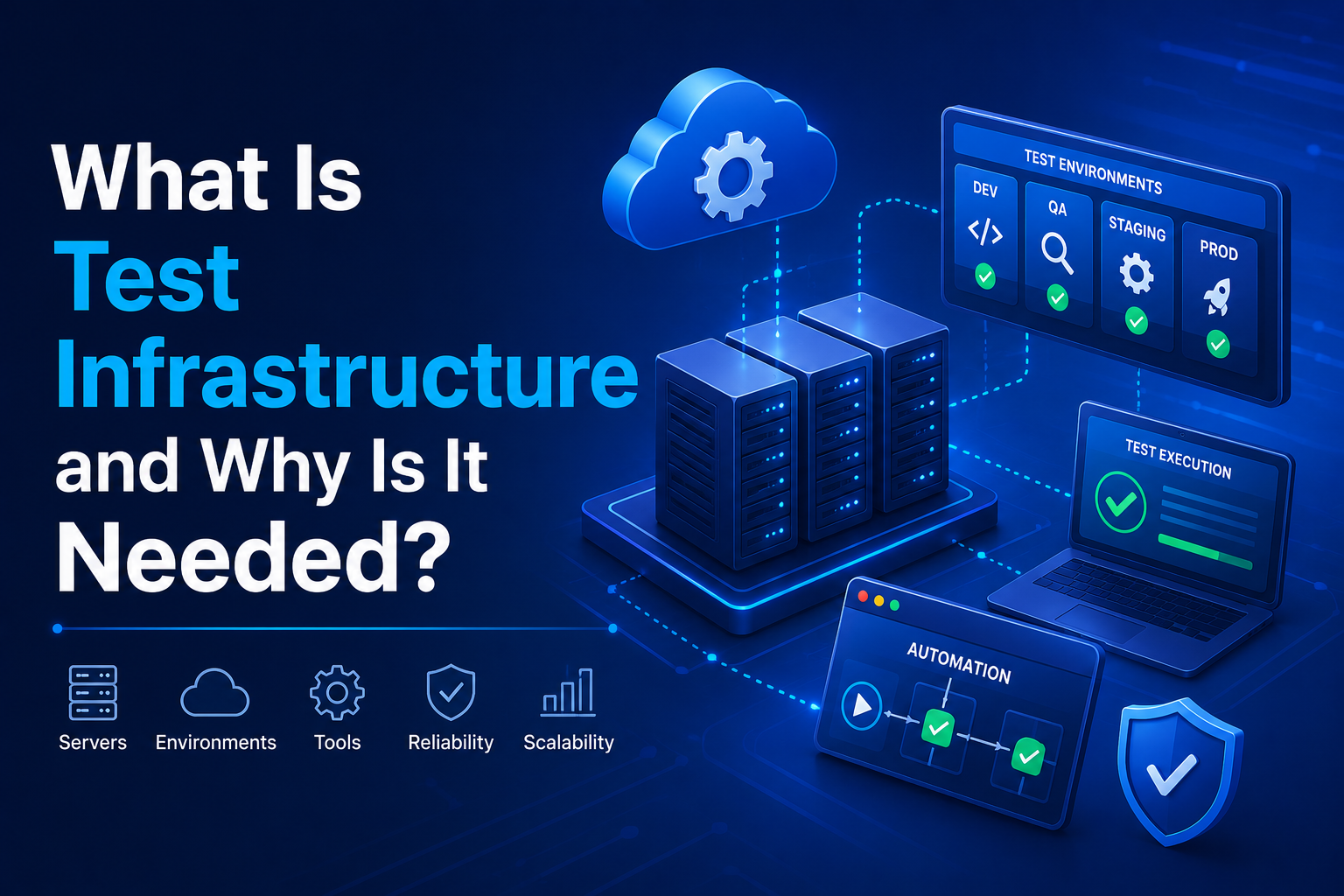
In today's competitive and fast-paced digital world, the absence of regular app updates can lead to the demise of even the most promising applications. Regular updates are a barometer to measure the app's success and help them stay relevant in the long run. If companies don't roll out new features or updates frequently, they need to be prepared for mass uninstallations and increased user[…]

Amazon – from a humble online bookstore, has grown to become the world’s leading e-commerce platform, with revenue exceeding the GDP of many countries. Contributing significantly to that success is the community of third-party sellers – individuals and businesses who build and operate their own booths on Amazon.However, many successful sellers have had their accounts suspended by Amazon[…]
.png)
Are you looking to rent a proxy for use on Facebook, Amazon, Instagram, Shopify, or other platforms? Proxies are not just tools for anonymous access but also help you perform tasks such as data scraping, running ads, or managing multiple accounts effectively. However, each platform has different requirements when it comes to proxy usage. BestProxy, a global proxy service with over 80 million[…]
Shadowrocket is an application Premium proxy for iOS devices, allowing users to secure connections, access region-restricted content, and improve internet connection performanceIn this article,Hidemium Antidetect Browserwill help you understandWhat is Shadowrocket?, how it works as well as instructions on how to install and use this application easily.1. What is Shadowrocket?Shadowrocket is a[…]
