
Have you ever wondered what makes it possible for you to surf the web, watch movies, send emails, or work online? The answer is your ISP – Internet Service Provider. This article is from Antidetect Browser Hidemium will explain in detail what an ISP is, how it works, the common types of ISPs, the benefits and risks, and how to choose the right provider for your needs.
1. What is ISP? Basic concepts and roles
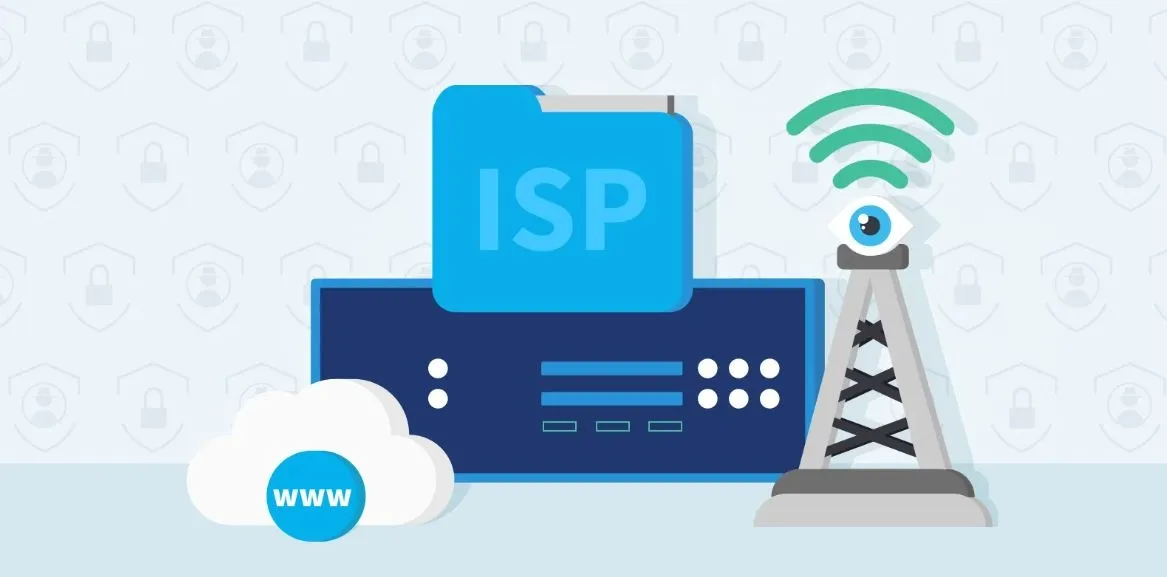
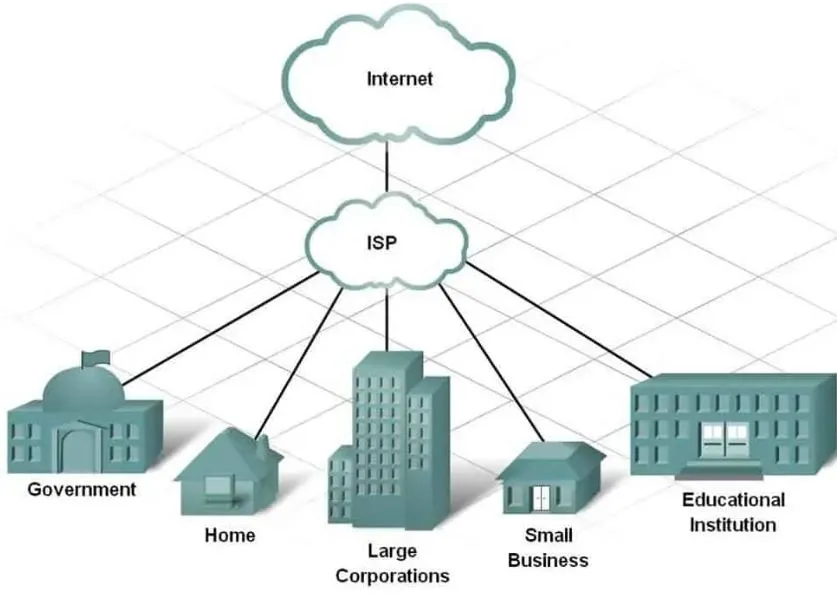
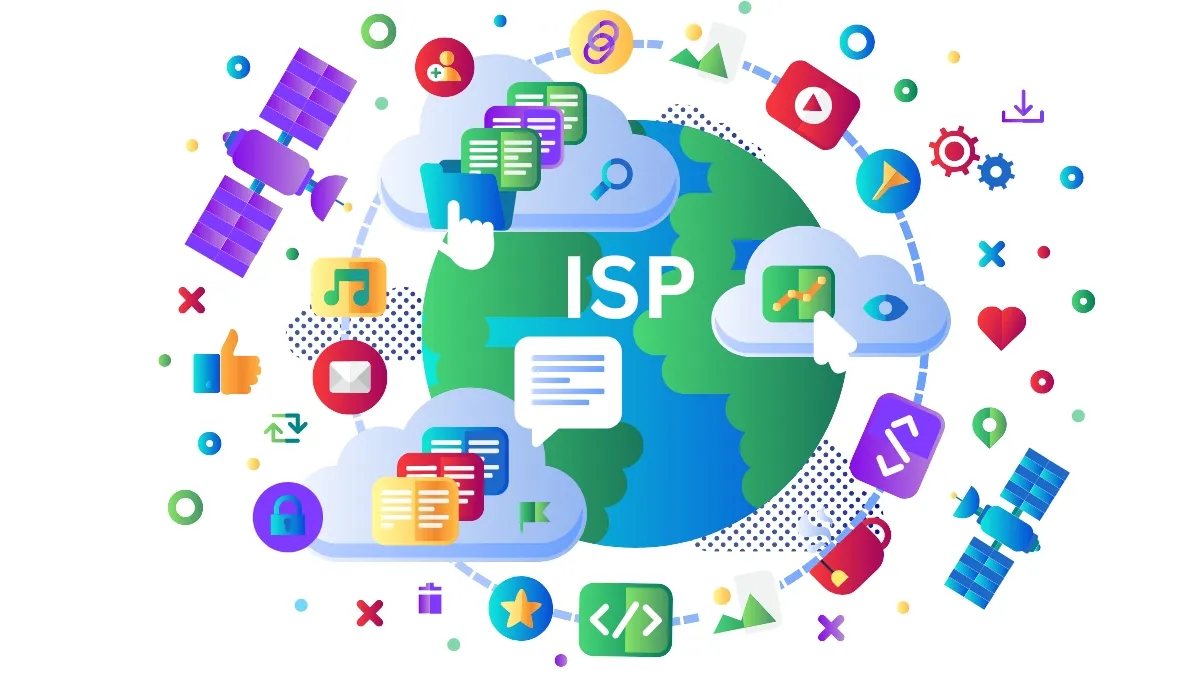
ISP (Internet Service Provider) is a company or organization that provides Internet connection services to individuals, businesses and other organizations. Simply put, ISP is the bridge that helps your devices – computers, phones – access the global Internet.
The role of an ISP is not only to provide connectivity, but also to provide an essential foundation for online learning, remote work, video streaming entertainment, and social networking. For example, when you use Zoom for online meetings, your ISP ensures that data is transmitted reliably between you and your colleagues.
With over 10 years of experience in the field of network technology, we affirm that ISP is an important link that helps connect people with the digital world effectively and sustainably.
>>> Learn more: What is Postman?The leading API testing solution for modern developers
2. Popular types of ISPs today
Currently, there are three most popular types of ISPs on the market: DSL, Cable Internet and Fiber Internet.
DSL:Connects to the Internet via a telephone line, providing download speeds of 5 to 35 Mbps and upload speeds of 1 to 10 Mbps. DSL is suitable for users who live far from access points or who only use the Internet for simple needs such as surfing the web and watching videos on one device.
Cable Internet:Popular for its fast speeds and low latency, with download speeds ranging from 10 to 500 Mbps and upload speeds from 5 to 50 Mbps, suitable for a wide range of usage needs.
Fiber Internet:Also known as optical Internet, it provides superior access speeds, hundreds of times faster than DSL and cable Internet. Fiber Internet is increasingly popular thanks to its ability to accommodate large bandwidths, suitable for applications that require high speed and stability.
>>> Learn more: What is a Port? Role and exact classification
3. How ISP works
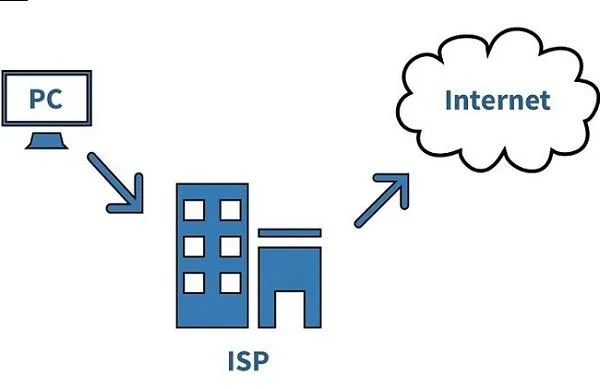
ISP (Internet Service Provider) acts as an intermediary bridge that helps your device connect seamlessly to the Internet. When you send a request to access a website through your modem or router, the ISP receives and forwards the request to a DNS server to translate the domain name (e.g. google.com) into the corresponding IP address. The data is then transmitted through the relay stations to the destination server and the response is sent by the ISP to your device.
To maintain connection speed and stability, ISPs apply QoS (Quality of Service) technology to prioritize important network traffic such as video calls instead of focusing on processing large downloads. For example, when you watch a movie on Netflix, this technology helps video data to be transmitted continuously, minimizing lag if the connection is stable.
4. Services provided by ISP
In addition to providing Internet connection, ISPs also diversify services to meet the needs of users and businesses, including:
Web access:Support users to surf the web quickly on popular platforms such as Google and YouTube.
Email hosting:Provide professional email service with suitable storage capacity.
Web hosting:Allows businesses to host and operate websites directly on ISP servers.
Data transfer (FTP):Support sending and receiving large files quickly and safely.
Social Network Support:Ensure a stable connection when accessing platforms like Facebook and TikTok.
For example, when you sign up for FPT Telecom's Internet package, you can also receive email hosting services - a practical benefit that helps small businesses optimize their business operations.
>>> Learn more: What is NordVPN? Pros and Cons to Know Before Using It
5. Risks associated with ISPs
While ISPs provide many essential benefits, users should also be aware of some potential risks. Some internet service providers may track your online activities to collect personal data and even sell this information to third parties. Additionally, when the network connection is not encrypted, sensitive information is at risk of being stolen or hacked.
To protect yourself, you should use a VPN to encrypt your transmitted data and only access websites with the HTTPS protocol, which helps ensure information security when surfing the web.
Real life example: I once experienced unusually slow internet speeds due to bandwidth limitations from my ISP. After using a VPN, my connection speed improved significantly and became stable again.
>>> Learn more: What is Cloudflare WARP? Benefits and detailed installation method
6. Guide to choosing the right ISP
Choosing the right ISP is not difficult if you clearly define your needs. First, determine the purpose of the internet connection: just basic web surfing or need high speed for gaming, online work? Next, compare packages based on price, speed and accompanying services. Don't forget to refer to user reviews on forums or social networks to have an objective and accurate perspective.
Some suggestions when choosing an ISP: gamers should prioritize using Fiber Internet from carriers such as Viettel or FPT to ensure fast speed and low latency. Small families can choose a basic DSL or fiber optic package from VNPT to save costs. In addition, always read the service contract carefully to avoid unexpected additional fees.
Hopefully, this article has helped you better understand ISPs, the risks you may encounter, and how to choose the right provider. In today's digital age, ISPs play a key role in connecting to the internet, becoming an indispensable part of modern life. Hidemium hopes that you will apply this knowledge to use ISP services safely and effectively.
Related Blogs
Vmcard2025: Enterprise Card Issuing for Multi-Account Success When you open new ad accounts, subscribe to AI/SaaS tools, scale cloud resources, or verify stores, payment failures can derail the plan: card binding fails, extra 3DS checks pop up, renewals don’t charge. Most of the time it isn’t a random glitch—it’s the merchant’s risk engine asking for better signals. This article explains the[…]

In today’s multi-platform environment—across Facebook, Google, Amazon, TikTok Ads, and more—managing large numbers of accounts has become increasingly complex. Many individuals and businesses face unstable account performance and frequent suspensions due to overlapping login environments or poorly controlled behavior. As account volume grows, issues such as shared environments, duplicated[…]
Best Antidetect Browser for Affiliate Marketing 2026Affiliate marketing in 2026 is no longer limited to placing referral links on a website and tracking commissions. Agencies, media buyers, and performance marketing teams often work simultaneously across multiple advertising platforms, affiliate networks, client accounts, analytics tools, landing pages, and regional campaigns.As the number of[…]
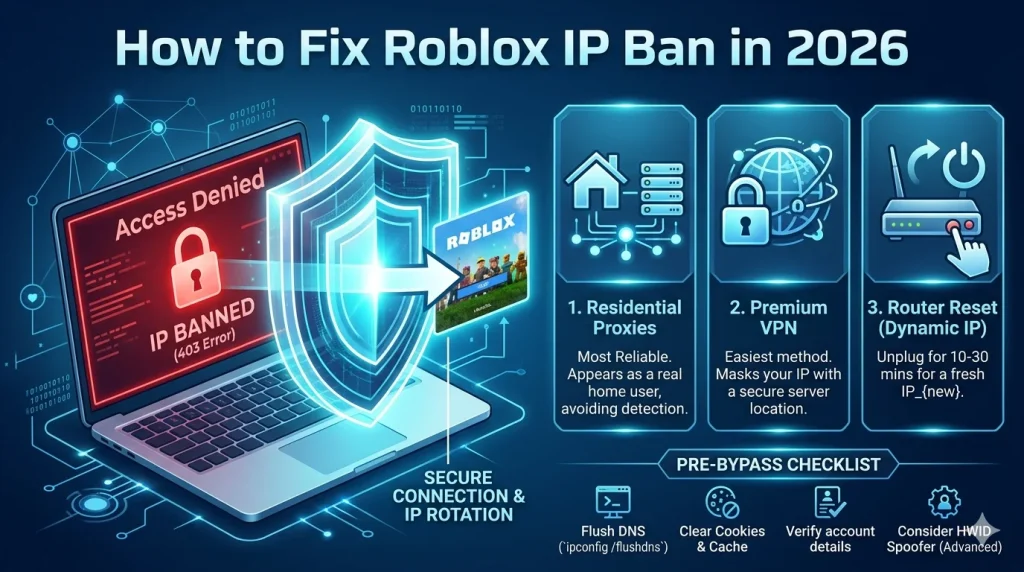
What Is a Roblox IP Ban?A Roblox IP ban is one of the most severe enforcement actions Roblox can take against a player. Unlike a regular account ban, which restricts a specific username, an IP ban blocks all activity from your internet connection's IP address — meaning every account you try to create or use from that IP will also be blocked.IP bans are typically reserved for the most serious[…]
.png)
You're still posting on X as usual, but performance is unusually low. Tweets aren't appearing in search results, engagement has plummeted, and replies are practically disappearing from your timeline. There are no notifications from the platform, the account is still active — but everything seems silently restricted.This is when many people began to have doubts about shadowban. The problem is that[…]

In the context of global digital transformation, the two most prominent technologies today are AI (Artificial Intelligence) and Blockchain. If AI brings the ability/Intelligent data processing, learning and accurate prediction, Blockchain creates a transparent, decentralized and highly secure platform. When combined, they not only help optimize processes, improve reliability, but also open up the[…]
