
The old story of VPNs is simple. Hide. Mask. Browse. But the world has moved on. So must the tools.
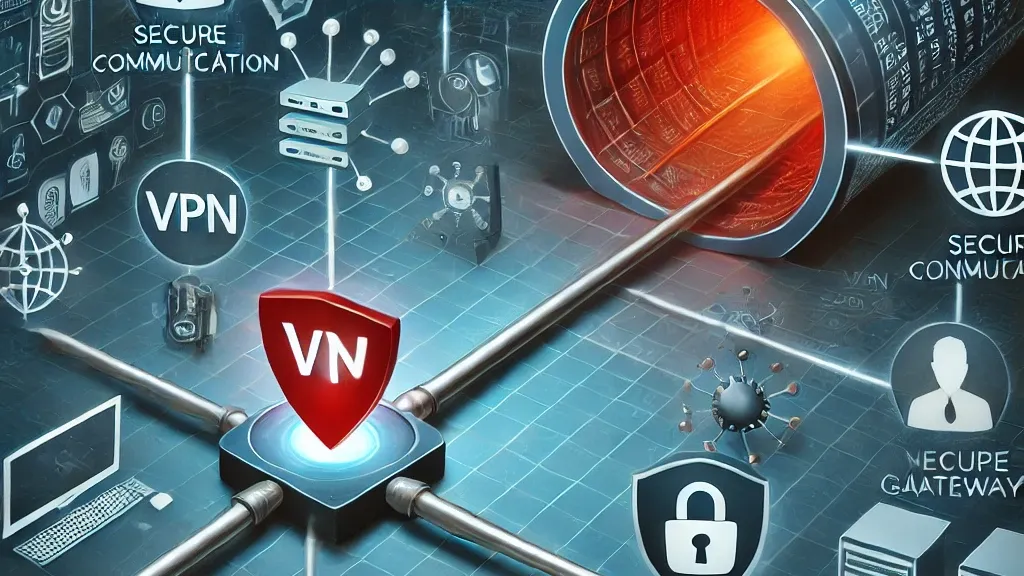
Why anonymity alone isn't enough
People still think of VPNs as a cloaking device. That belief is narrow. Modern threats are layered. Attacks target devices, cloud apps, telemetry, supply chains, and identities — not just IP addresses. A good encrypted internet connection should do more than hide where you are; it must defend what you do, who you are, and the data that matters. Short sentence. Long one that explains: users and organizations need a mix of privacy, performance, and conditional access that traditional VPNs were never designed to deliver.
The market is growing — fast
Demand is not theoretical. Businesses and consumers are spending. Analysts show rapid market growth and investment into VPN and related secure-access technologies. Research projects a double-digit compound annual growth rate for the VPN market in the mid-2020s, reflecting rising use across enterprises and individuals alike.
What “next-generation” VPNs actually bring
Next-generation VPNs are not a single gadget. They are a stack of design choices and technologies that together lift VPNs from simple tunnels to adaptable security platforms.
- Protocol evolution. Faster, leaner protocols improve throughput and reduce battery drain on mobile devices. The modern protocol wave shows real performance gains over legacy options
- Multi-path and multi-hop routing. You can route sensitive traffic through layered hops or split flows so only designated data goes through the tunnel.
- Leak detection. The monitor for breaches feature checks leaked databases and notifies you if a user's password is found. This helps prevent account compromises and promptly respond to incidents.
- RAM-only servers and verifiable infrastructure. If the server holds no persistent logs, it cannot be coerced later. This matters. Big time.
- Integration with Zero-Trust ideas. Replace the “anybody on the tunnel gets everything” model with per-session, per-app access rules. Combine identity checks and device posture with connectivity. This is where networking meets access control.
- Post-quantum preparedness. Forward-thinking services are prototyping quantum-resistant key exchange and seeking standards that survive powerful future cryptanalysis.
- AI-driven threat detection. Traffic patterns that look “off” can be flagged and mitigated in real time. Not to spy on users — to stop threats.
- Cloud-native, scalable architectures. Cloud VPN gateways that scale with traffic keep latency low and resilience high.
Real-world uses that matter
Remote work is the obvious one. But there’s more.
- Journalists and activists need secure browsing and tools that resist tracking and takedown.
- Businesses need data protection solutions that span cloud apps, home offices, and branch sites.
- Consumers in countries with heavy censorship rely on privacy tools to access information; in some regions nearly the entire population turns to VPNs to get online freely.
Design principles for trustworthy VPN innovation
If you're building next-generation VPNs, build them right. Focus on existing and proven solutions, like VeePN VPN. It's a versatile solution for both private and commercial users with a wealth of additional features.
- Privacy by default. Minimal data retention. Plain language policies. Auditability.
- Open standards and audited code. Closed, opaque stacks breed doubt. Open, verifiable code builds trust.
- Layered security. Combine encrypted tunnels with identity verification and device signals.
- Usability. Security that frustrates users will be bypassed. Simplicity and clear defaults matter.
- Performance and transparency. Report speeds, latency, and how traffic is handled.
Trade-offs and hard truths
No single tool solves everything. There are trade-offs.
- Jurisdiction matters: where servers and operators sit will determine legal exposure.
- Latency vs. privacy: more hops can mean stronger anonymity but slower browsing.
- Cost vs. scale: enterprise-grade features cost money.
- Trust vs. convenience: centralized providers can offer convenience but require trust; decentralized models shift trust but add complexity.
Accept those trade-offs. Then design to reduce them.
Practical steps for users and teams
Want to benefit from next-gen VPN innovation today? Try these steps.
- Favor services that publish transparency reports and undergo independent audits.
- Look for modern protocols (they perform better and are less error-prone).
- Combine VPN with endpoint security and identity controls — don’t treat it as the only defense.
- Prefer RAM-only or disk-wiped server models where available.
- If you’re an admin: consider ZTNA or SSE hybrids for app-level access control instead of just granting broad network tunnels.
The ecosystem: not just privacy tools but a security fabric
Think of next-generation VPNs as one thread in a larger fabric of cybersecurity technology. They interoperate with secure web gateways, identity providers, endpoint detection, and cloud security posture tools. The best outcomes come when all pieces share signals: identity, device posture, application context, and telemetry. That shared context turns encrypted tunnels from blind pipes into informed, enforceable pathways.
Closing — beyond anonymity
VPN innovation is not about secrecy for its own sake. It’s about reshaping how we protect data, identities, and legitimate access in a world full of new risks. Better protocols, smarter routing, zero-trust controls, and verifiable infrastructure change the role of VPNs from a privacy-bandage into a proactive cybersecurity layer. Markets are responding, standards are adapting, and users are demanding more than just a hidden IP address. The shift is clear: privacy and security must ride together.
If you keep one idea from this essay, let it be this: digital anonymity is a start, not the finish line. Build for protection, not just for hiding; measure impact, not just adoption; and choose tools that bake transparency and future-proofing into their design.

Related Blogs
.png)
In the digital age, protecting privacy and accessing geo-restricted content on Android has become essential. Using a free VPN is an effective solution to browse securely, bypass access restrictions, and protect personal data. Here’s the list of the top 10 free VPN apps for Android in 2025, rated based on speed, security, and user experience.1. What is a VPN and why do you need it on Android?A VPN[…]
What is Turbo VPN is the question many people ask when looking for a tool to help personal information security and Bypass regional content access restrictionsIn this article, Antidetect Browser Hidemium will explore Turbo VPN in detail with you - from concept, outstanding features to how to use it effectively on devices like Windows, Android and iOS.1. What is Turbo VPN?Turbo VPN is a trusted[…]
When accessing the website but encountering errors such as 404 Page Not Found good 502 Bad Gateway, most likely the cause comes from the DNS cache on the device. At this point, Flush DNS is a simple but extremely effective solution to handle this situation. So what is Flush DNS and how to do it? Together Antidetect Browser Hidemium ratherDiscover details below!1. What is DNS Flush?Flush DNS is[…]
In today's connected technology world, the MAC address is an important concept that is often misunderstood or overlooked. So what is a MAC address? What important role does it play in networking, security, and system management. In this article Antidetect Browser Hidemium Will help you learn in detail about MAC addresses, how to check on many different devices, common types of MAC addresses and[…]
Have you ever wondered why the SEO rankings you see are completely different from those of your customers or competitors? This is a common problem that causes many businesses to lose millions of dollars in profits every year.The bottom line is this: over 79% of SEO professionals admit that the search results they see don't match the actual results users get. This is because of personalized[…]
.png)
DNS 1.1.1.1 is the leading DNS service, trusted by many people thanks to its outstanding speed and high security. This is the ideal choice for those who want to enhance their safe and smooth web surfing experience. Together Antidetect Browser Hidemium Learn the details about DNS 1.1.1.1 and how to quickly set it up on your device!1. What is DNS 1.1.1.1? Outstanding benefits when usedDNS (Domain[…]
