
As scraping, automation, SEO monitoring, market research, and multi-account farming continue to grow in demand, proxy providers are evaluated based on three core factors: anonymity – stability – scalability.
IPcook has become a platform gaining attention in the tech community thanks to its 55M+ IP pool, support for 185+ countries, multiple proxy types, and full API integration tailored for large automation systems.
Unlike generic proxy services, IPcook targets developers, enterprises, technical marketers, and automation teams. This is reflected in its high-quality IPs, multi-layer configuration options, flexible sessions, and ability to scale with heavy workloads.
This review will help you understand:
- What types of proxy IPcook offers
- Which use cases they are suitable for
- Pros & cons compared to major providers
- Whether IPcook is worth the money
- Who should use it — and who shouldn’t
This is an in-depth, SEO-optimized analysis to help you decide whether IPcook fits your project.
1. What Is IPcook? Mission & Role in the Proxy Ecosystem
IPcook is a specialized proxy platform offering:
- Residential Proxy (real-user IPs)
- ISP Proxy (fixed IPs from ISPs)
- Datacenter Proxy (high-speed server IPs)
A standout feature of IPcook is its strong focus on anti-bot bypassing, which is essential for modern scraping tasks as major websites tighten their bot-detection systems (Cloudflare, PerimeterX, Akamai...).
Core customer segments:
- Technical teams running large-scale scraping
- Marketers/SEO specialists checking multi-region keywords
- E-commerce teams running price analysis
- MMO operators: Facebook – TikTok – X – Shopee – Tiki account farming
- Developers building multi-threaded automation
- Global enterprises testing content across regions
If your needs fall into these categories, IPcook is worth considering.
2. Proxy Types Offered by IPcook
IPcook currently provides 3 main proxy categories designed for very specific use cases. Below is a detailed breakdown.
2.1 Residential Proxy – Anti-Bot Specialist
Residential Proxy is IPcook’s strongest product.
Features:
- Real household IPs, highly undetectable
- Auto-rotation or sticky sessions (1–24h)
- Bypasses advanced anti-bot systems
- Traffic never expires
- HTTP & SOCKS5 supported
- 185+ countries with precise geo-targeting
Practical uses:
- Scraping highly protected websites
- SEO monitoring by location
- Geo-unlocking content (Netflix, Hulu…)
- Multi-account farming on strict platforms: TikTok, Facebook, Instagram, X
- Safe bulk account registration
- E-commerce data extraction (Amazon, eBay, Shopee…)
Strengths:
- High captcha pass rates
- Rarely flagged or checkpointed
- Long sessions — excellent for automation
Weaknesses:
- More expensive than datacenter proxies
- Can consume data quickly if misconfigured
2.2 ISP Proxy – Stable, Fast, Long-Term Use
ISP Proxies provide fixed IPs issued by legal ISPs. They sit between datacenter and residential IPs.
Features:
- Fixed IPs
- Unlimited bandwidth
- Stable speeds
- Near 100% uptime
- No rotation — ideal for long sessions
Use cases:
- Persistent account login
- 24/7 automation bots
- Tasks requiring stable IP identity
- API connections with long-running sessions
Strengths:
- Extremely stable
- Cheaper than residential
- Unlimited bandwidth
Weaknesses:
- Less anonymous than residential
- Can be blocked if overused
2.3 Datacenter Proxy – Fastest & Cheapest
Best suited for high-speed or bulk tasks.
Features:
- High-quality server infrastructure
- Top-tier connection speeds
- Unlimited bandwidth
- HTTP support
Use cases:
- Scraping non-sensitive websites
- Crawling public data
- Bulk testing
- High-speed automation
Strengths:
- Cheapest option
- Very fast
- Easy to buy in large volumes
Weaknesses:
- Not suitable for account registration
- Easily blocked by major websites
3. IPcook Pricing (Detailed Comparison)
Below are the estimated rates based on public and market data.
3.1 Residential Proxy
Plan | Price | Notes |
| Small package | ~3.20 USD/GB | Best for beginners |
| Large package | ~0.50 USD/GB | For 10,000GB+ |
| Trial | Available | Test before buying |
3.2 ISP Proxy
0.05 USD/proxy/day
Unlimited bandwidth, ideal for long sessions.
3.3 Datacenter Proxy
0.04 USD/proxy/day
Good for large-scale scraping.
4. User Experience: Dashboard & API
4.1 Intuitive Dashboard
You can manage:
- Usage over time
- IP whitelisting
- Traffic analytics
- IP rotation
- Sub-users
- Billing & history
4.2 Multi-Language API
Supports:
- Python
- Node.js
- PHP
- Golang
- Shell scripts
Clear documentation makes integration easy for any automation workflow.
5. Speed – Stability – Anonymity
These three metrics determine the value of a proxy provider. IPcook performs strongly across all categories.
5.1 Connection Speed
Average speeds measured across common tasks:
Proxy Type | Avg Speed |
| Residential | 0.5 – 1.2s |
| ISP | 0.2 – 0.7s |
| Datacenter | 0.05 – 0.2s |
Speed breakdown:
- Residential: Moderate speed, best for high-anonymity tasks like account farming, signups, ad testing.
- ISP: Faster & more stable; ideal for long persistent sessions.
- Datacenter: Fastest; designed for high-volume scraping and real-time automation.
Overall, IPcook ranks among the top providers in its category.
5.2 Anonymity Level
If your goal is anti-bot bypassing, reducing checkpoints, or maximizing account survival, IPcook — especially its Residential line — is an excellent choice.
Anonymity highlights:
- Residential IPs offer the highest realism
- Strong captcha-passing ability (Google, TikTok, Instagram…)
- Lower risk of flags compared to datacenter IPs
- Clean fingerprints suitable for long login sessions
This makes residential proxies ideal for registration, verification, and multi-account operations.
5.3 Stability
Stability is critical for 24/7 systems such as automation frameworks, data crawlers, or large-scale account farming.
IPcook stability metrics:
- Advertised uptime: 99.99%
- ISP & Datacenter proxies: near-zero downtime
- Residential: stable, low timeout rates, especially with sticky sessions
Which type should you choose?
- ISP: Best for long-term login, e-commerce operations
- Datacenter: Best for cluster scraping with high throughput
- Residential: Best for multi-account automation, anti-flag environments
6. User Reviews (Based on Trustpilot)
Positive feedback:
- Very fast support (24/7 live chat)
- Smooth streaming, low block rate
- Easy proxy setup
- Residential proxies bypass difficult systems well
Limitations:
- Not as well-known as Oxylabs or Smartproxy
- Fewer public reviews
- Residential costs may add up for high-volume scraping
7. Who Should Use IPcook?
Best suited for:
- Companies running high-quality scraping
- Automation engineering teams
- Global SEO & marketing operations
- MMO/account farming professionals
- E-commerce price tracking
- Developers maintaining 24/7 bots
Not ideal for:
- Users who just need a basic IP change
- People looking for cheap VPN alternatives
- Users lacking proxy configuration experience
8. Overall Pros & Cons
Pros
- Large IP pool (55M+)
- Deep geo-targeting (city/state level)
- Strong, easy-to-use API
- Non-expiring residential traffic
- Fast speeds & high anonymity
- Professional 24/7 support
Cons
- Residential pricing is relatively high
- Not suitable for casual users
- Still building a larger review community
12. Recommendation for Automation & Account Farming: IPcook + Hidemium Antidetect Browser
Pairing IPcook with Hidemium Antidetect Browser can significantly enhance performance in scraping, automation, and multi-account environments.
Why combine IPcook + Hidemium?
- 100% anonymity: IPcook provides clean proxies, Hidemium generates natural fingerprints
- Mass account farming: Each Hidemium profile has isolated environments + unique IPs
- Automation-ready: Hidemium Auto Actions + IPcook stable connectivity
- No data overlap: Fingerprints + IP separation prevents cross-account linking
Suggested setup:
- Social media accounts: Residential/ISP proxies + isolated Hidemium profiles
- SEO & scraping: Datacenter proxies + automation scripts in Hidemium
- E-commerce/TikTok Shop: ISP or Residential IPs for stable sessions
This combination greatly improves account safety, automation performance, and conversion rates.
9. Conclusion – Is IPcook Worth It?
If you’re a developer, marketer, enterprise, or MMO operator needing high-quality, stable, anti-bot optimized proxies, IPcook is absolutely worth it.
Ideal when you need:
- Large-scale scraping (thousands to millions of requests)
- Professional-level account farming
- Multi-threaded, long-session automation
- Region-specific content checking
- Advanced anti-bot bypassing
Related Blogs
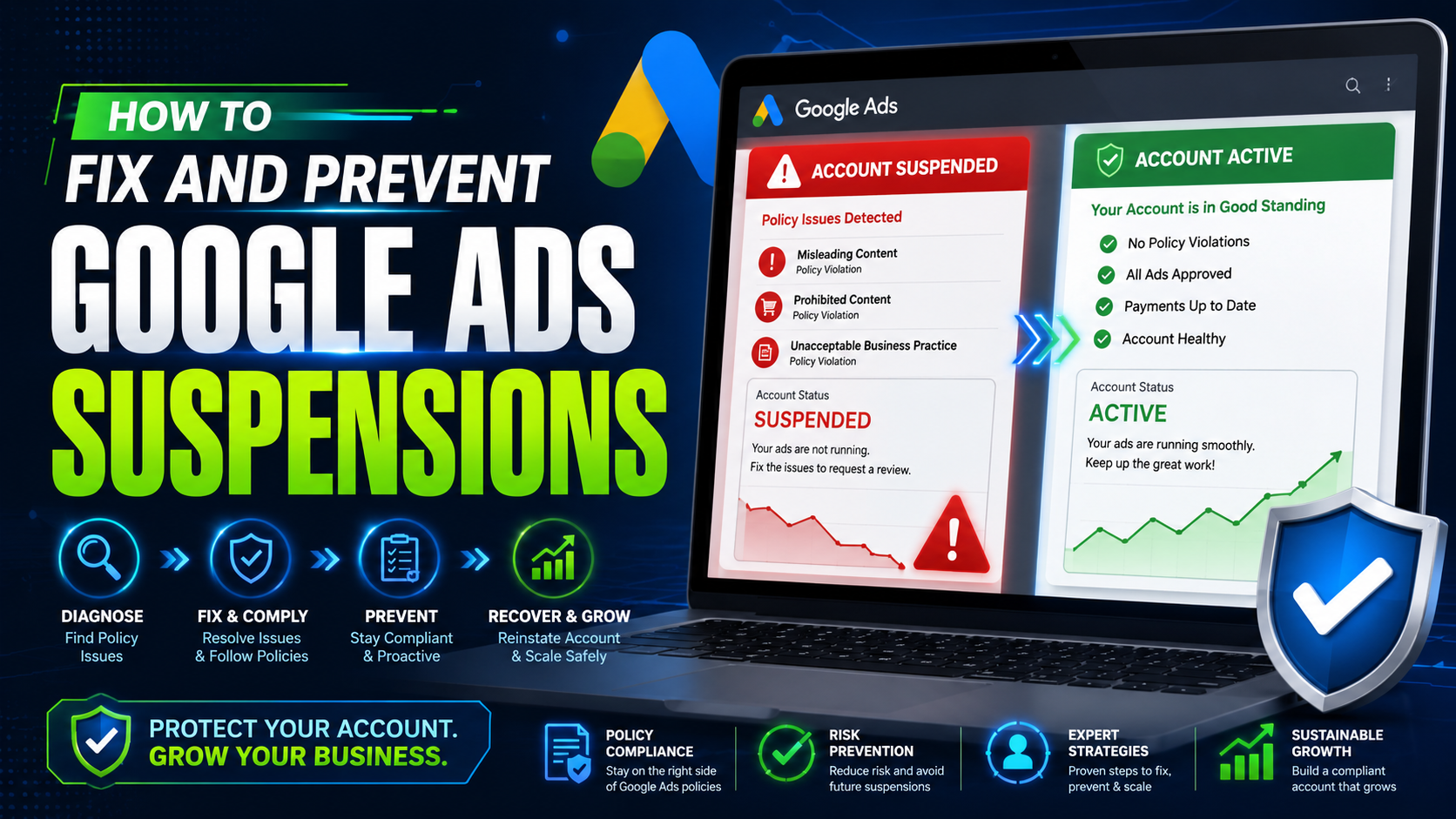
A Suspended Google Adwords account adversely affects the work and business performance of the business when interrupting the advertising campaign. So how to fix and limit the suspension of your account in Google Adwords advertising? Let’s find out through the article!Account suspension due to related errors violates Google Ads policies1. Dodge the systemModify the ad element (text, video, image,[…]
A Twitter/X account may be suspended because of spam or platform manipulation, suspicious security activity, violations of X Rules, or copyright complaints. If your Twitter account is suspended, review the notice from X, complete any required identity verification, and use the official appeal process if you believe the suspension was made in error.For brands, advertisers, and marketers, X is an[…]
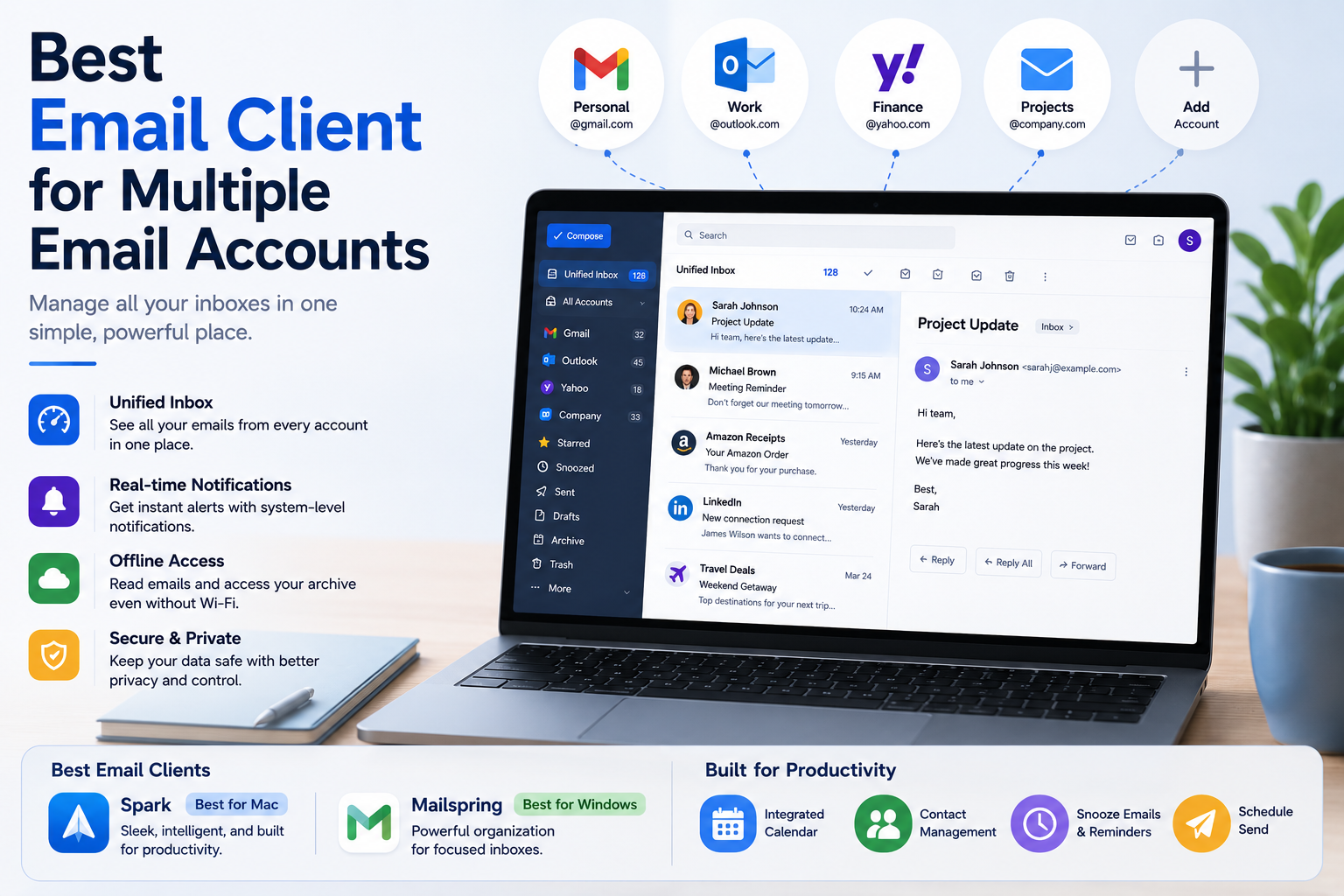
Best Email Client for Multiple Email AccountsThe Hidden Productivity Cost of Managing Multiple InboxesYou open your laptop, stare at a row of pinned browser tabs, and immediately feel a wave of dread. Industry data reveals the average worker loses nearly a month of productive hours each year simply context-switching between different websites. Constantly clicking between your personal Gmail, work[…]
.png)
In international flash sale campaigns, where time is of the essence and opportunities are fleeting, having an effective tool to assist in your shopping is incredibly important. Antidetect Browser is the solution that helps you manage multiple accounts and participate in flash sales without the risk of detection. This tool changes browser fingerprints, IP addresses, and personal identification[…]

Owning and operating a large number of accounts on social media platforms like X (Twitter) or Discord has become essential for those involved in MMO, airdrops, and marketing. However, the biggest challenge users face is that their accounts are frequently suspended or flagged for identity verification when multiple accounts are logged in on the same device.So how can this issue be resolved? The[…]

In the digital age, increasing YouTube comments has become an essential platform for sharing content and engaging with your audience. Comment count is not only a measure of viewer engagement but also an important factor in improving your video’s ranking on the platform. Here are 5 effective ways to increase comments on your YouTube videos.1. Ask smart questions to encourage viewers to commentWhen[…]
